Creating a productive home workspace is essential for anyone working remotely or studying from home. A well-designed area can help improve focus, reduce distractions, and increase comfort throughout the day. Whether you have a dedicated room or just a small corner, these tips will help you set up a home workspace that encourages productivity and well-being.
Choose the Right Location
Selecting the best spot for your workspace is the first step toward productivity. Consider these factors when choosing a location:
– Natural light: Position your desk near a window to take advantage of natural daylight. Sunlight can improve mood and reduce eye strain.
– Quietness: Find a quiet area away from high-traffic zones to minimize interruptions.
– Space availability: Ensure there’s enough room for your desk, chair, and any work materials without feeling cramped.
If space is limited, a foldable desk or a wall-mounted workspace can be practical solutions.
Invest in Comfortable Furniture
Comfort can significantly affect how productive you are during your work hours. Pay attention to these furniture choices:
– Ergonomic chair: Choose a chair that supports your lower back and encourages good posture.
– Proper desk height: The desk should allow you to type with your wrists flat and your elbows at a 90-degree angle.
– Adjustable equipment: Using adjustable chairs or desks helps accommodate different tasks and prevents strain over time.
Make sure you can sit comfortably for extended periods without discomfort or pain.
Organize and Declutter Your Workspace
A tidy environment fosters better concentration and reduces stress. Here are some organizing tips:
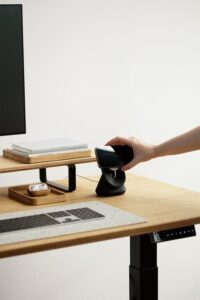
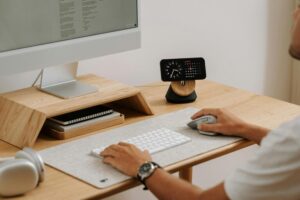
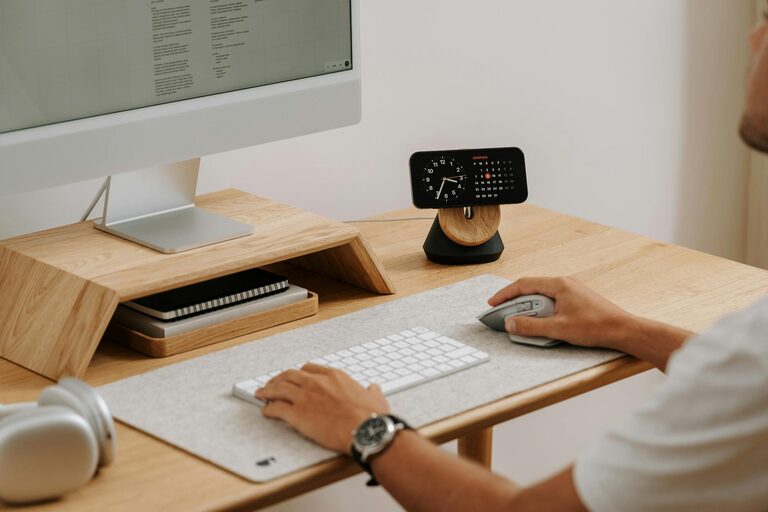
– Use storage solutions: Drawer organizers, shelves, and desk trays keep supplies neat and within reach.
– Limit desk items: Only keep everyday essentials on your desk to avoid clutter.
– Cable management: Use cable clips or ties to keep cords organized and prevent tangling.
Take a few minutes each day to tidy up and maintain an orderly workspace.
Optimize Lighting
Proper lighting reduces eye strain and fatigue. Consider these lighting tips:
– Combine natural and artificial light: Use natural sunlight during the day, supplemented by desk or overhead lamps.
– Avoid glare: Position screens to avoid glare from windows or lights.
– Use adjustable lamps: Adjustable lamp brightness or color temperature can improve comfort during long work sessions.
Proper lighting helps you stay alert and comfortable throughout your workday.
Minimize Distractions
Distractions can disrupt your workflow and decrease productivity. Try these strategies:
– Set boundaries: Inform family or housemates about your work hours to reduce interruptions.
– Use noise-canceling headphones: They can help block out background noise.
– Keep your phone on silent: Limit notifications during focused work sessions or use tools like “Do Not Disturb” mode.
Creating a focused environment helps improve your efficiency.
Personalize Your Workspace
Adding personal touches to your workspace can make it more inviting and stimulate creativity:
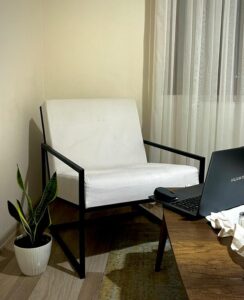
– Add plants: Greenery can reduce stress and improve air quality.
– Decorate thoughtfully: Use artwork or photos that inspire you without causing distractions.
– Use motivating items: Keep a motivational quote or an inspiring object nearby.
A workspace that feels personal can increase satisfaction and motivation.
Establish a Routine
A consistent daily routine helps mentally separate work time from personal time:
– Set work hours: Define clear start and finish times.
– Take regular breaks: Short breaks every hour help maintain focus and prevent burnout.
– Create rituals: Begin your day with a small routine, like a cup of coffee or a brief stretch, to signal the start of work.
Having structure supports productivity and work-life balance.
Technology Setup
Make sure your tech supports your work demands smoothly:
– Reliable internet connection: A stable connection avoids interruptions in virtual meetings or cloud work.
– Use multiple screens: Additional monitors can improve multitasking and reduce eye movement.
– Keep software updated: Regular updates ensure security and access to the latest features.
Efficient technology reduces frustration and downtime.
Keep Healthy Habits in Mind
Physical and mental health are integral to productivity:
– Ergonomic breaks: Stretch or walk around to prevent stiffness.
– Stay hydrated: Keep water nearby to stay refreshed.
– Maintain posture: Adjust seating to avoid slouching or strain.
Healthy habits during work hours promote long-term productivity.
—
Creating a productive home workspace doesn’t require a big budget or a large room—just thoughtful planning and consistency. By implementing these tips, you’ll set up an environment that supports focus, efficiency, and comfort, making remote work or study more enjoyable and effective.