Creating a productive home office workspace is essential for anyone working remotely or managing tasks from home. With the right setup, you can improve your focus, reduce distractions, and maintain a healthy work-life balance. In this post, we’ll explore practical tips to help you design a home office that maximizes productivity and comfort.
Choose the Right Location
Selecting the best spot in your home for your office is the first step. Consider the following:
– Quiet Environment: Pick a place away from household traffic and noise, such as a spare room or a quiet corner.
– Natural Light: Position your desk near a window if possible. Natural light improves mood and alertness.
– Space Availability: Make sure there’s enough room for your desk, chair, and equipment without feeling cramped.
Invest in Comfortable and Ergonomic Furniture
Your furniture plays a major role in comfort and productivity.
– Ergonomic Chair: Opt for a chair that supports good posture with adjustable height and lumbar support.
– Desk Height: Your desk should allow your arms to rest at approximately 90 degrees when typing.
– Footrest: If your feet don’t rest flat on the floor, a footrest can reduce strain.
Organize Your Workspace Efficiently
An organized workspace helps you focus and find things easily.
– Declutter Regularly: Keep only essential items on your desk; store the rest.
– Use Storage Solutions: Shelves, drawers, and organizers keep supplies tidy.
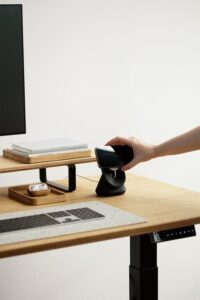
– Cable Management: Use cable organizers or clips to prevent tangled cords.
Optimize Lighting
Proper lighting reduces eye strain and enhances concentration.
– Use Layered Lighting: Combine natural light with overhead and task lighting.
– Adjustable Desk Lamp: Position a lamp to illuminate your work area without glare.
– Avoid Screen Glare: Position your monitor to minimize reflections from windows or lights.
Equip Your Workspace with the Right Technology
Having reliable tech tools is vital.
– High-Speed Internet: Ensure stable internet for video calls and downloads.
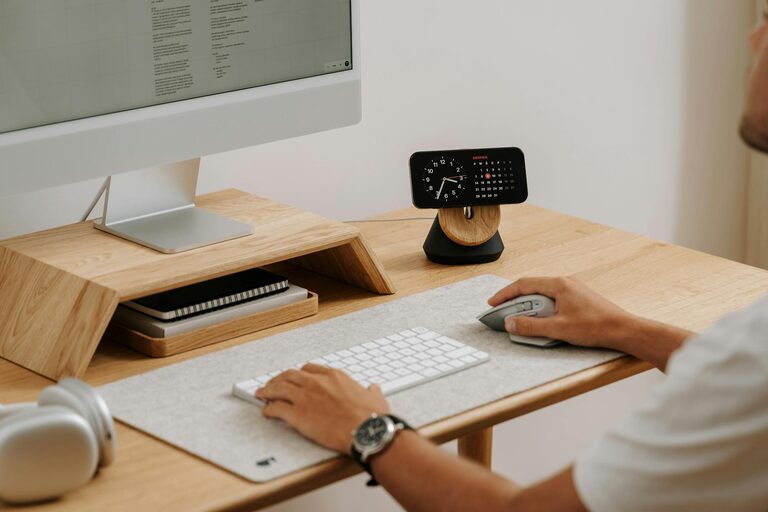
– Quality Monitor(s): Larger or multiple screens can improve productivity.
– Keyboard and Mouse: Choose devices that suit your comfort and typing style.
– Headphones or Speakers: Use these for video meetings or focus music.
Personalize Your Space
A welcoming, personalized area can make working from home more enjoyable.
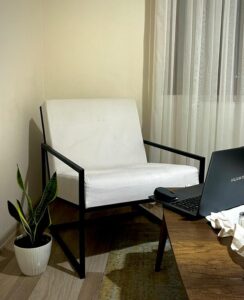
– Add Plants: Greenery improves air quality and reduces stress.
– Incorporate Art or Photos: Visual stimuli can inspire creativity.
– Use a Comfortable Rug or Floor Mat: Enhance comfort underfoot.
Establish a Routine and Boundaries
Your environment should support your work habits and schedule.
– Set Work Hours: Define when you start and finish work to separate personal time.
– Create a Morning Routine: Starting your day with consistent habits prepares your mind for focus.
– Minimize Distractions: Inform family members about your schedule, and set your phone to “Do Not Disturb” during work.
Maintain Your Workspace
A clean, well-maintained office supports ongoing productivity.
– Daily Tidying: Spend a few minutes clearing your desk at the end of each day.
– Regular Cleaning: Dust and sanitize surfaces weekly.
– Update Equipment: Check that hardware and software are up to date.
Final Thoughts
Designing a productive home office workspace combines thoughtful layout, ergonomic comfort, organized storage, and personal touches. By creating an environment tailored to your needs, you can boost focus and efficiency while enjoying your work-from-home experience. Try out these tips to find what works best for you, and remember that a few small changes can make a big difference in your daily productivity.