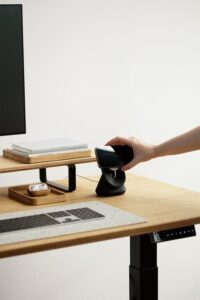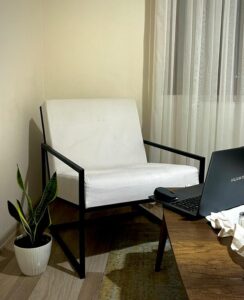
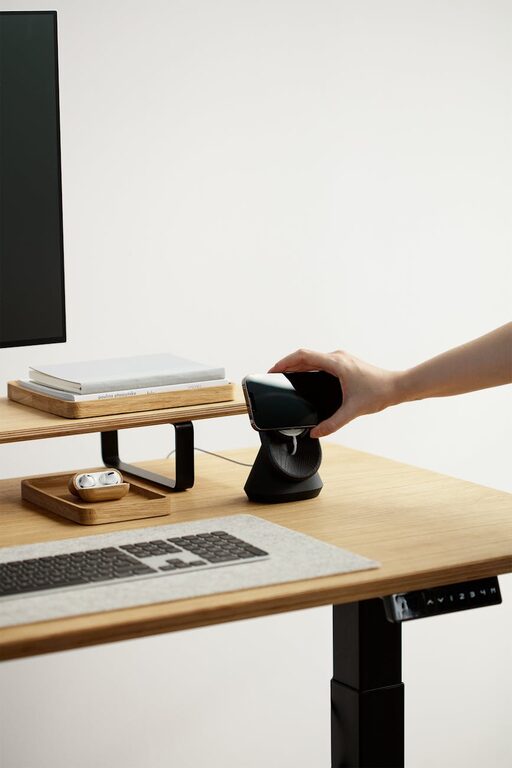
Creating a home office that feels both cozy and productive is essential for anyone working remotely or managing tasks from home. A well-designed space can boost your focus, reduce stress, and make your workday more enjoyable. In this post, we’ll explore practical tips to help you set up a home office environment that suits your needs and supports your productivity.
1. Choose the Right Location
Consider Natural Light
Natural light can significantly improve mood and energy levels. If possible, place your desk near a window. This not only provides daylight but also offers views that can help reduce eye strain from looking at screens for long periods.
Find a Quiet Spot
Noise distractions can break your concentration. Choose a quiet area where you’re less likely to be disturbed. If you have family or roommates, communicate your work hours to minimize interruptions.
2. Invest in Comfortable Furniture
Ergonomic Chair and Desk
Comfort is key to staying productive. Invest in a good ergonomic chair that supports your posture and a desk at the right height to prevent strain. Adjustable chairs and desks can accommodate your body’s needs and reduce discomfort.
Personal Comfort Items
Add a footrest or a cushion if needed to enhance comfort. Keeping a small blanket or sweater nearby can be useful for adjusting your warmth throughout the day.
3. Organize Your Space
Declutter Regularly
A clutter-free workspace reduces anxiety and helps maintain focus. Keep only essential items on your desk, and store other supplies in drawers or shelves.
Use Storage Solutions
Use organizers, baskets, or filing cabinets to keep papers and office materials in order. Labeling storage containers can make it easier to find what you need quickly.
4. Optimize Lighting
Layered Lighting
Besides natural light, use a combination of ambient, task, and accent lighting. A desk lamp with adjustable brightness can reduce eye strain during late hours.
Avoid Glare and Shadows
Position your computer screen at a right angle to windows or light sources to avoid glare. This helps prevent headaches and keeps the workspace comfortable.
5. Personalize Your Workspace
Add Plants
Plants improve air quality and add a touch of nature to your home office. Choose low-maintenance varieties like succulents or snake plants for an easy care option.
Incorporate Personal Touches
Photos, artwork, or inspirational quotes can make your workspace more inviting and motivating. Just be mindful not to overcrowd your desk with too many items.
6. Maintain a Comfortable Temperature and Air Quality
Control Temperature
Keep your workspace at a comfortable temperature to avoid distractions caused by being too hot or cold. Use fans or heaters as needed to maintain a steady climate.
Fresh Air
Open windows occasionally to let in fresh air, or use an air purifier to maintain good air quality – this helps keep your energy levels up.
7. Establish Boundaries and Routine
Set Work Hours
Create a schedule to separate work time from personal time. Clear boundaries help maintain focus during work hours and encourage relaxation afterward.
Take Regular Breaks
Breaks are essential to avoid burnout. Use techniques like the Pomodoro Technique—working in focused intervals followed by short breaks—to stay refreshed throughout the day.
8. Minimize Digital Distractions
Organize Your Digital Workspace
Keep your desktop and files organized so you can find documents quickly. Use productivity apps to manage tasks and avoid feeling overwhelmed.
Limit Notifications
Turn off non-essential notifications during work periods. This helps maintain concentration and reduces interruptions.
9. Use Quality Equipment
Reliable Computer and Accessories
Invest in a reliable computer, keyboard, mouse, and headphones. Quality equipment can improve efficiency and comfort.
Fast Internet Connection
A stable internet connection is crucial for virtual meetings, research, and communication. Consider upgrading your internet plan if needed.
—
Creating a cozy and productive home office environment takes some planning, but even small changes can have a big impact on how you feel and perform during your workday. By focusing on comfort, organization, and minimizing distractions, you can build a space that inspires you to do your best work. Remember, your home office should reflect your personal style and support your daily needs—making work something to look forward to.